Agenda-setting intelligence, analysis and advice for the global fashion community.
Agenda-setting intelligence, analysis and advice for the global fashion community.

The author has shared a YouTube video.
You will need to accept and consent to the use of cookies and similar technologies by our third-party partners (including: YouTube, Instagram or Twitter), in order to view embedded content in this article and others you may visit in future.
Listen to and follow ‘The Debrief’: Apple Podcasts | Spotify | Overcast
Collectively, Clare Waight Keller and Maria Cornejo have over two decades of experience in the fashion industry. Waight Keller’s impressive career includes roles at Givenchy, Chloé and Gucci — and today, she serves as creative director at Uniqlo. Cornejo’s New York–based label, founded nearly three decades ago, counts Michelle Obama and Christy Turlington Burns among its most devoted fans.
From deeply entrenched gender biases to the fear of returning to work after giving birth, women face a number of systemic barriers to reaching senior leadership positions in the fashion industry, insiders say. Today, some women designers have found success launching their own labels — and when they do land leadership roles at major houses, often make it a priority to create opportunities for other women, which remain few and far between.
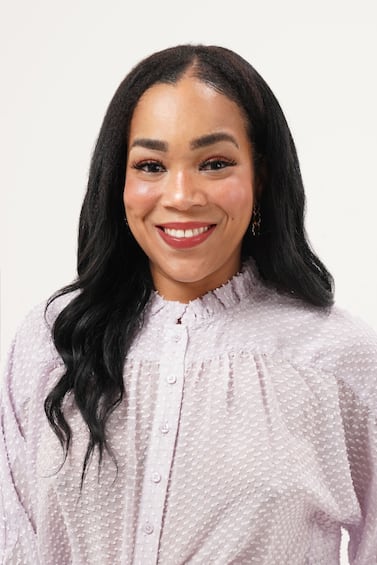
At the VOICES 10th anniversary, Waight Keller and Cornejo speak with senior correspondent Sheena Butler-Young about what it’s like to work in an industry where women are the muses and chief customers, but the top commercial and creative roles are dominated by men.
ADVERTISEMENT
Fashion companies are tightening return-to-office mandates just as entry-level jobs become harder to land. The Debrief explains what that means for workers trying to build careers in a cooling industry.
BoF sits down with career coaches to explore how fashion and beauty professionals should navigate the workplace following lay-offs or redundancies as the remaining workforce.
Check out this week’s new partner and job openings on BoF Careers, the global marketplace for fashion and beauty talent.
Retailers, publishers and brands are tightening return-to-office mandates as fully remote roles fall out of favour — but execution, not attendance, will determine whether the shift pays off.
Thom Browne, Abercrombie & Fitch and Tecovas are among the brands with Super Bowl activations. Meanwhile, the Winter Olympics kick off in Milan.
The embattled luxury department store is ‘absolutely dependent’ on companies like Chanel, LVMH and Kering, who could ‘suffocate’ the retailer if they stopped shipping, Reuters reported.
The polarising actress has become one of the most frequently tapped brand ambassadors in Hollywood. Whether she has the sway to build a lasting venture with her new lingerie line Syrn is still to be determined.
Fresh off a week of major moments, Tim Blanks and Imran Amed break down the blockbuster couture debuts at Dior and Chanel and what they signify about the state of the luxury industry.