Agenda-setting intelligence, analysis and advice for the global fashion community.
Agenda-setting intelligence, analysis and advice for the global fashion community.
Burberry beat expectations for sales growth in the key holiday quarter as its marketing push featuring British celebrities resonated with shoppers and helped attract more Gen-Z consumers in China, sending its shares up more than 4 percent.
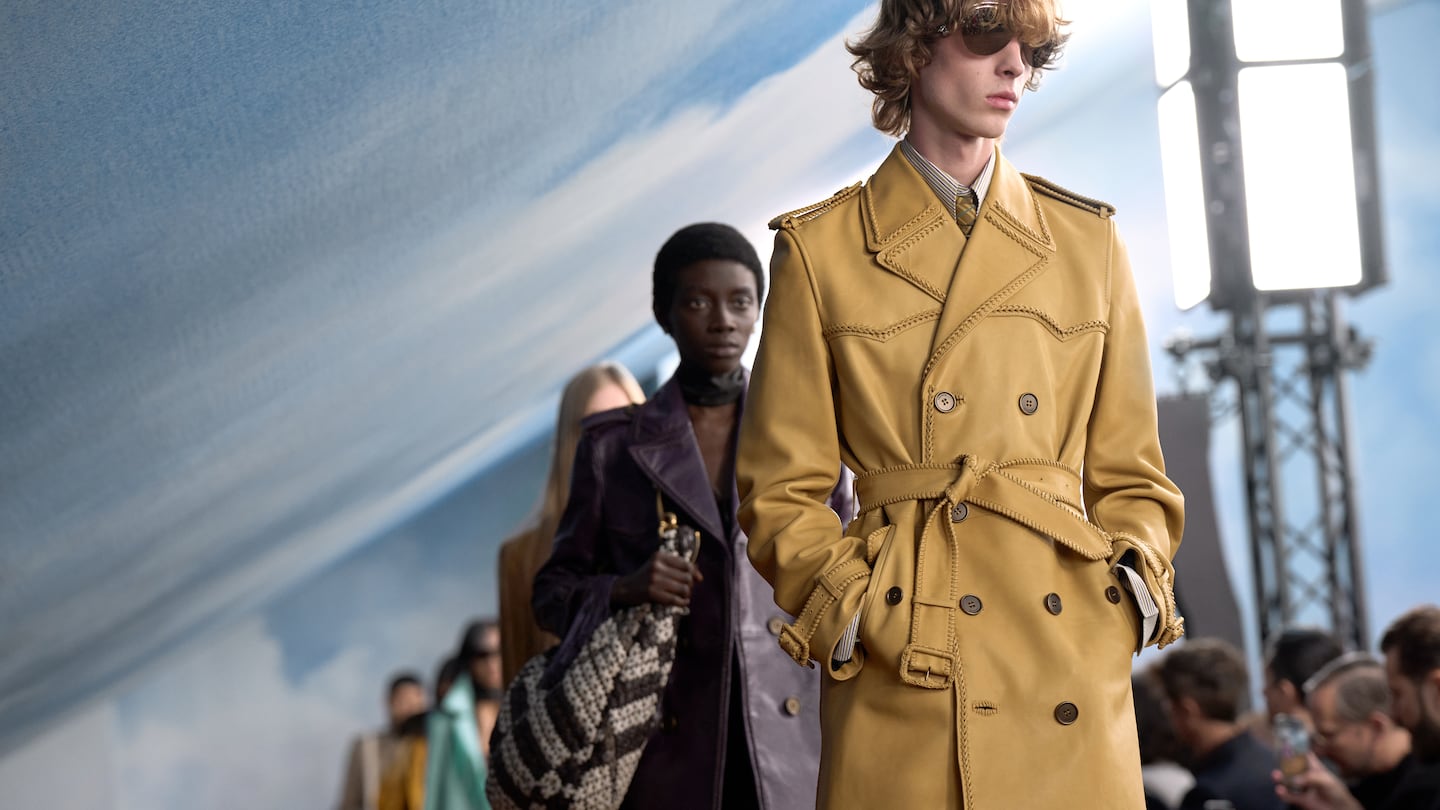
Joshua Schulman, who became CEO in July 2024 as sales were sliding, is leading a turnaround focused on trench coats, scarves and the brand’s British heritage, while cutting costs after reducing the workforce by 20 percent last year.
“In China in particular we were really driven by the growth in Gen-Z, which we had called out in the previous quarter, but really accelerated as we came into the peak of outerwear and scarf season,” Schulman said on a call with journalists.
The company’s shares, which gained about 29 percent in 2025, were up 4.4 percent this morning.
ADVERTISEMENT
Burberry’s comparable store sales rose 3 percent in the three months to December 27, beating analysts’ expectation of 2 percent growth, according to a company-compiled consensus.
Sales in China rose 6 percent on a comparable basis as the brand continued its recovery in the crucial luxury market, led by “double-digit” growth in sales to Gen-Z customers.
Burberry has staged new marketing efforts in China including a branded ice rink with an outerwear and scarf store in a mall in Beijing, and a pop-up shop on a ski slope in Chongli, complete with a ski lift wrapped in Burberry check.
“We’ve increased localisation of the storytelling and we’ve introduced new influencers and brand ambassadors (in China),” said Schulman.
Burberry launched a campaign ahead of Chinese Lunar New Year to mark the Year of the Horse, an opportunity for the brand whose logo is an equestrian knight on horseback.
J.P. Morgan analysts said Burberry’s update could be received positively by investors in the wider luxury sector, “providing relief on the state of the luxury consumer, in China in particular.”
Luxury brands have been struggling for the past two years as consumers slashed spending on handbags and designer clothes, driving sales down across the industry after a post-pandemic boom.
Beyond China, Schulman said Burberry was attracting more younger shoppers globally, particularly to its scarves.
ADVERTISEMENT
Overall, the company said its markdown period was shorter and “shallower” than last year, with more customers willing to pay full price.
“Traffic (in stores) is still quite challenging everywhere, but we are really, really encouraged by what we’re seeing in terms of conversion - strong conversion everywhere, so customers coming in and certainly liking what they’re seeing,” said Burberry’s chief financial officer Kate Ferry on a call with analysts.
Burberry has taken several steps to lure shoppers back, including tightening the link between design decisions and commercial teams, and holiday campaigns with celebrities such as British actor Olivia Colman, who starred as Queen Elizabeth II in “The Crown.”
Burberry said it expects full-year adjusted operating profit to be in line with the consensus forecast of £149 million ($200 million).
By Pushkala Aripaka, Helen Reid
Learn more:
Burberry’s CEO on Turning ‘Britishness’ Into a Global Language
Joshua Schulman reveals how he’s fuelling the brand’s turnaround with a more get-able take on British luxury and a new sense of urgency in the BoF-McKinsey State of Fashion 2026 report.
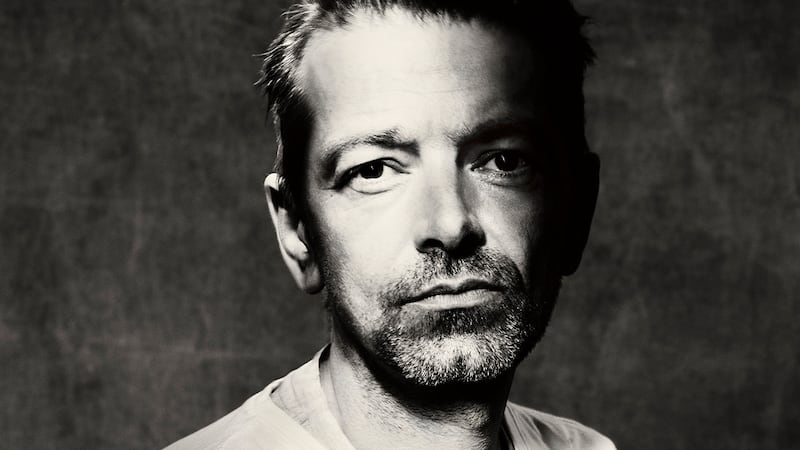
As the first creative director to succeed founder Azzedine Alaïa, Mulier rejuvenated the Paris-based brand with highly-refined, sculptural styles, bringing runway drama and spawning commercial hits like the Teckel bag and mesh ballerina flats.
High jewellery brands including Boucheron, Chaumet, De Beers and Dior showed new collections at Haute Couture week in Paris as they manage so far to ride out geopolitical tensions which have sent gold and silver to new highs while the dollar sinks.
Matthieu Blazy and Jonathan Anderson each took different approaches to navigating the inherent tensions of French couture, Robert Williams writes. Plus: LVMH’s results.
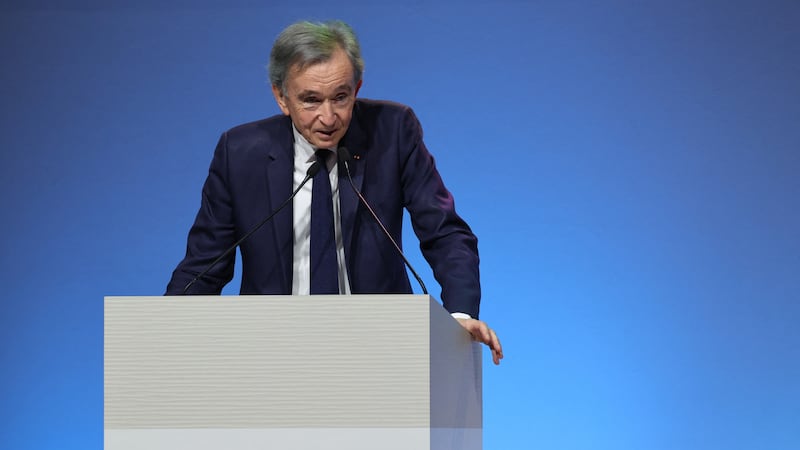
Fourth-quarter sales in the world’s biggest luxury group rose 1 percent, slightly ahead of expectations. Sales fell 3 percent in the key fashion and leather goods division as the sector continues to face sluggish demand. ‘2026 will not be easy,’ chairman Bernard Arnault said.
Thom Browne, Abercrombie & Fitch and Tecovas are among the brands with Super Bowl activations. Meanwhile, the Winter Olympics kick off in Milan.
The embattled luxury department store is ‘absolutely dependent’ on companies like Chanel, LVMH and Kering, who could ‘suffocate’ the retailer if they stopped shipping, Reuters reported.
The polarising actress has become one of the most frequently tapped brand ambassadors in Hollywood. Whether she has the sway to build a lasting venture with her new lingerie line Syrn is still to be determined.
Fresh off a week of major moments, Tim Blanks and Imran Amed break down the blockbuster couture debuts at Dior and Chanel and what they signify about the state of the luxury industry.