Agenda-setting intelligence, analysis and advice for the global fashion community.
Agenda-setting intelligence, analysis and advice for the global fashion community.
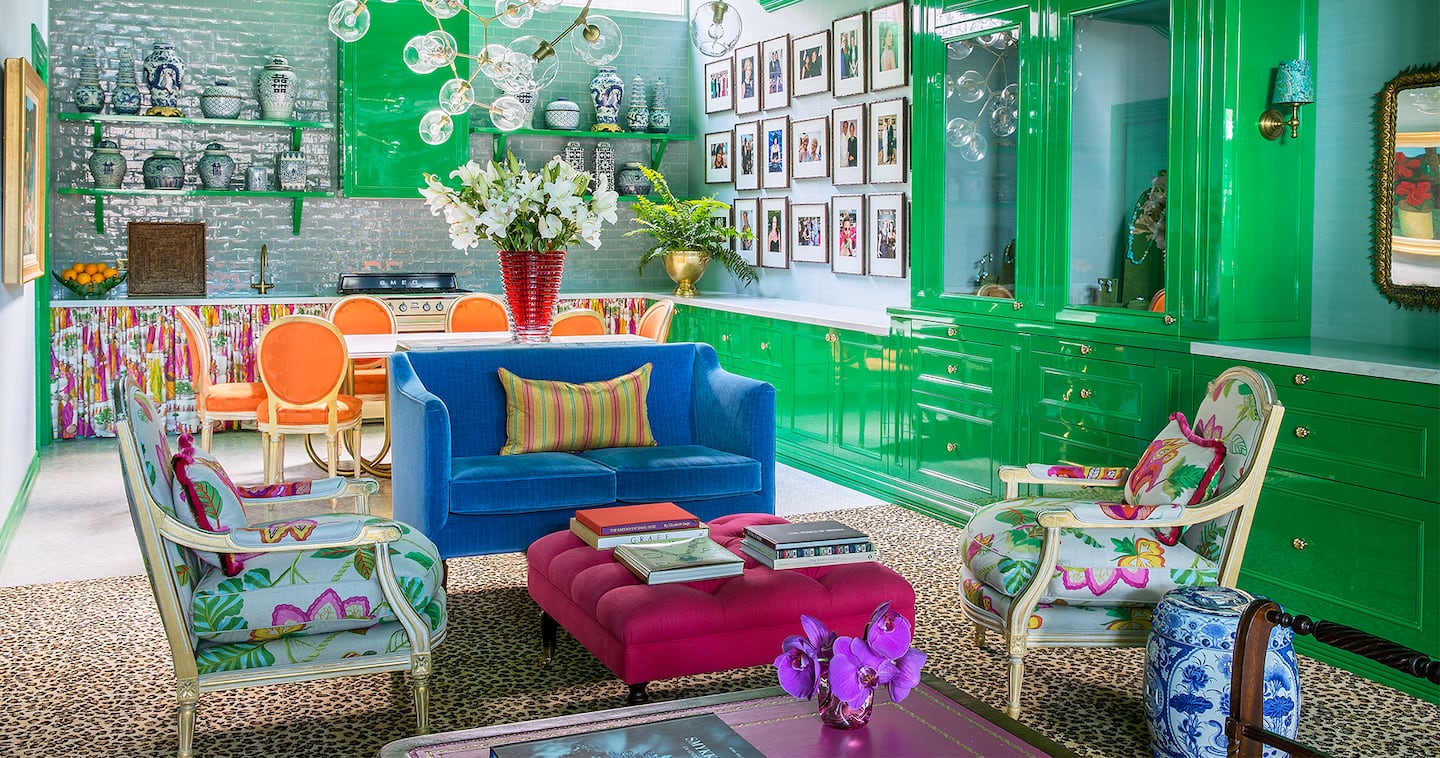
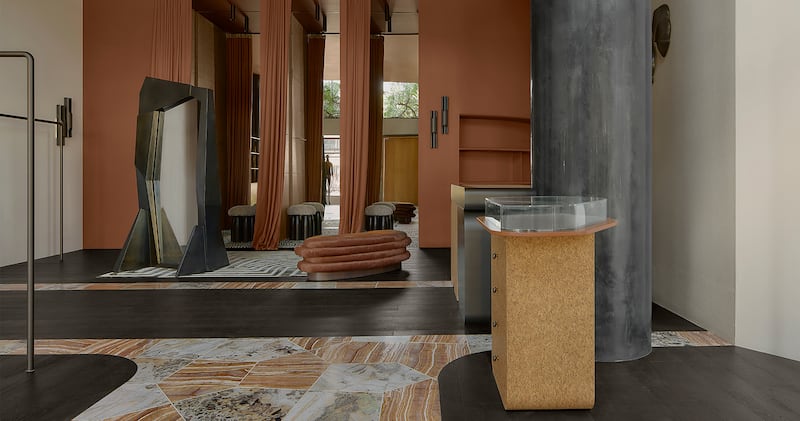
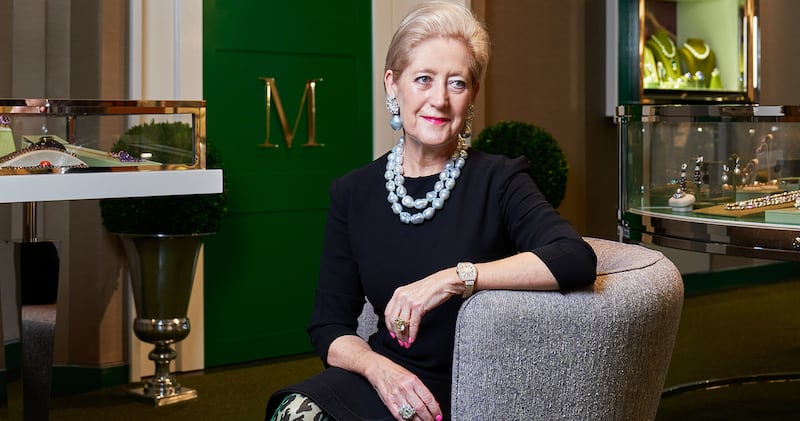
When Vanessa Spencer was weighing up where to open her next boutique, online sales data pointed her in the direction of Brisbane. With existing stores in Melbourne and Sydney, she decided on the capital of Queensland as the Australian state was already the upmarket retailer’s third-largest customer base. “But it’s a little bit more than that,” says The New Trend co-founder and brand director.
“It’s also instinct. Brisbane just feels like such an up-and-coming city. There’s such a beautiful energy there right now. It’s about culture; it’s about inclusion; and there’s this sense of community which is unlike anything else,” Spencer adds.
More specifically, Spencer set her sights on James Street in the suburb of Fortitude Valley, where she opened the doors to the new branch of her multi-brand store in October. Situated across the snaking Brisbane River to the east of the Central Business District (CBD), this leafy pocket is a treasure trove of independent retail, Australian brands and hospitality offerings.
“It’s such a unique part of the Australian retail landscape,” says Spencer, whose boutique has historic links to a Canadian counterpart of the same name but is independently owned and operated in Australia, stocking brands like Bottega Veneta, Loewe, Christopher Esber and Alemais. “You can’t compare [the area] to anywhere else in the country.”
ADVERTISEMENT
Over the past decade or so, most major luxury brands moved into the CBD, with many situated on the ground floor of the QueensPlaza centre on the Queen St Mall, a pedestrian thoroughfare. These include Chanel, Gucci, Dior, Saint Laurent and Fendi. Australian brands Rebecca Vallance, Zimmermann, Aje, Oroton and Camilla are among those upstairs in the same centre.
Elsewhere in the CBD, Louis Vuitton relocated to a new flagship in 2023 in the former National Australia Bank building, which abuts QueensPlaza. Nearby Edward St also has a luxury contingent with stores from Hermès, Cartier and Canali.
It’s not hard to see the appeal of Brisbane, affectionately called Brissie by locals and known as Meanjin in the language of the area’s Indigenous Yuggera and Turrbal people.
“It’s a subtropical gem that has always walked to the beat of its own drum,” says Heidi Middleton, the Brisbane-raised co-founder of Sass & Bide. “It has really come into its own in the last five to 10 years. I feel like it’s quite a humble city; it’s not showy or brash. It’s sort of just been chipping away, doing its thing, and has built itself gently and slowly over time to evolve into this great city.”
The city’s unassuming nature is also reflected in its residents. Take Margot McKinney, a fourth-generation jeweller who regularly travels to work with her international clientele and still finds herself having to explain that she isn’t based in Sydney or Melbourne. When people tell her they’ve never visited Brisbane, she says it’s easy to explain why they should. “It’s our secret city, [but] it’s the city you need to get to know because it’s where all the energy is moving to.”
Brands looking to enter Brisbane or expand there are keeping a close eye on the other side of the Queen St Mall, where the Wintergarden Shopping Centre is situated.
Owned and operated by IFM Investors, this 13,000 sq m space is poised for redevelopment with an anticipated cost of around 1 billion Australian dollars ($670 million). It is expected to start late this year and open in time for the 2032 Brisbane Olympics, incorporating the Wintergarden, neighbouring 155 Queen St (the home of Zara’s three-storey flagship), the Regent Theatre and the InterContinental Brisbane (formerly Hilton Hotel).
“We have had a lot of interest from luxury and what we call ‘sub-luxury’ brands that we believe are using their online shopping data to track the cities their clients live and shop in, and we only see this interest increasing,” says Leah Mienert, IFM Investors Regional Asset Manager.
ADVERTISEMENT
“Brisbane CBD currently offers luxury flagships and custom flagship stores and demand for larger footprints from new luxury brands is increasing. We’re accommodating these unique footprints in our development planning,” she adds.
Ilias Tsangaris, director of commercial property advisors InCommercial, believes the Olympics will accelerate rather than create interest in the Brisbane market. “More international brands will be showing interest earlier than expected because they’ll want to get in pretty quickly to secure their spots,” he says, adding that Albert and Adelaide Streets in the CBD are also improving.
The city’s deputy mayor Fiona Cunningham says Brisbane offers a “sweet spot” for retailers. “We have strong population growth, a thriving tourism market and a lifestyle-led culture which naturally encourages spending in fashion, dining and the experience economy.”
Beyond luxury, Queen St Mall is also home to local high-street brands including Cue and Country Road, which opened its new flagship in the heritage-listed Bank Building in August. These are priced above H&M, Uniqlo and Zara, three international mass- and fast-fashion brands that have firmly established themselves in Queensland after entering the Australian market in the early 2010s.
That said, H&M closed its Queen St Mall flagship in September after 10 years in the location, reportedly in line with around 200 global closures in 2025. The Swedish retailer remains in seven Queensland locations. In addition to Zara’s mall flagship, the Spanish retailer has one suburban and one Gold Coast location. Uniqlo has a total of six Queensland stores.
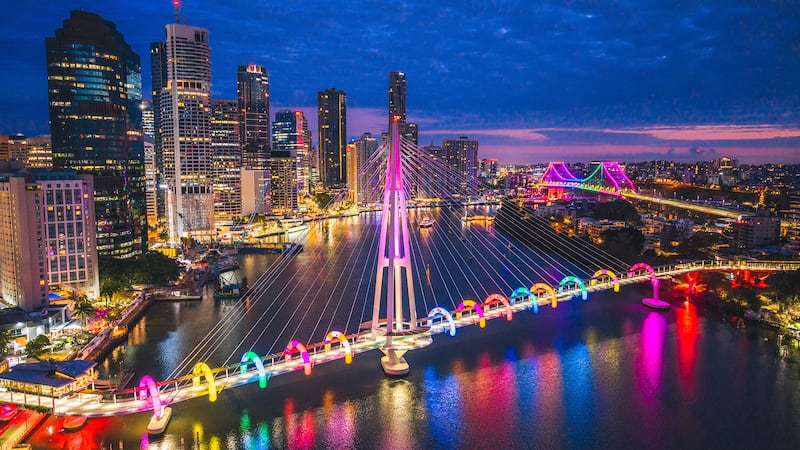
The lush green stretch of James St that attracted Spencer from The New Trend features an enviable mix of independent retailers. This includes standalone boutiques from the likes of Zimmermann, P.Johnson Men’s and Women’s tailors, Scanlan Theodore, Bassike and Brisbane designer Gail Sorronda. Also present is multi-brand retailer Camargue, which began introducing Brisbane to cutting-edge international labels in 1978, and today stocks Comme des Garcons, Dries van Noten and Jacquemus among others.
Another landmark on James St is the Calile Hotel, a meeting place for locals and a hub for travellers looking for a more unique, design-led experience than a CBD five-star. The New Trend is situated at the front of the hotel, which has proved a winning combination for the retailer, both for serving existing customers visiting from Sydney and Melbourne, as well as attracting a new customer base in Brisbane and from overseas.
Spencer says the mix of people visiting James St includes those living in the surrounding suburbs, as well as shoppers from areas surrounding Brisbane, including the Gold Coast, a beachfront city one hour’s drive south that includes Surfers Paradise. Noosa is two hours’ drive north in the Sunshine Coast and Byron Bay is less than two hours’ drive south, just over the border in New South Wales. “They make a day of it, they go for lunch, they really experience the area. It is a very special place.”
ADVERTISEMENT
Middleton, who launched her current label ArtClub in 2019, recently returned to her hometown after spending more than 20 years in Sydney. Opening her first space for ArtClub on James St in a former Sass & Bide store was a full-circle moment. Her husband, Michael Malouf is part of the family behind the Calile hotel and one of the driving forces behind the development of the James St precinct over the past 20 years.
High-end homeware and design retailers also call the neighbourhood home alongside beauty pioneers Mecca and Aesop. “You have this beautiful edit of retail and some of the best restaurants are now at home in that precinct as well,” says Middleton.
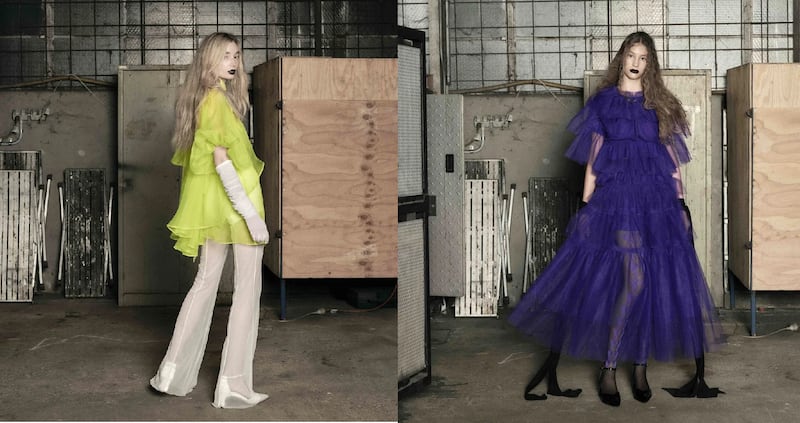
Brisbane may not be a household name beyond Australasia, but in seven years’ time it will be. The 2032 Olympic and Paralympic Games will bring the city global attention, an influx of visitors, and media coverage from far and wide.
Cunningham says the event is “a once-in-a-generation opportunity for Brisbane”, adding that initial estimates show the Games could inject 8.1 billion Australian dollars ($5.5 billion) into the urban economy. But, she adds, “the real benefits would be the lasting infrastructure for our region. From upgraded entertainment venues to more interconnected transport options like the Brisbane Metro, the Games have already helped shape our legacy.”
“Amongst businesspeople, and people who understand exactly what having the Olympics does for a city, there is enormous excitement,” says McKinney. “It will change Brisbane forever and people who recognise that and get into business in Brisbane now will definitely reap the benefit.”
The city was already on an upward trajectory before it won the Olympic bid five years ago. Brisbane has long been Australia’s third-largest city by population, though reports suggest Perth may overtake this position by 2050. In 2024, Brisbane’s population was 2.78 million, roughly half of Sydney’s, but a significant increase from a few years earlier. Notably, Sydney recorded a net loss of migration within Australia, while Brisbane experienced the highest influx.
“The pandemic saw a shift from the larger cities to Brisbane and south-east Queensland,” said Mienert, citing people’s “realisation that you don’t have to be tied to a certain city.” The influx from other states “correlated with an increased demand in businesses who wanted to occupy [Brisbane’s] CBD retail spaces — including luxury brands.”
It’s not just the population that’s growing. The state’s economy is also steadily heading upwards, with GSP (gross state product) the second highest in the country, up 2.2 percent against a national average of 1.4 percent for the 2024-25 financial year.
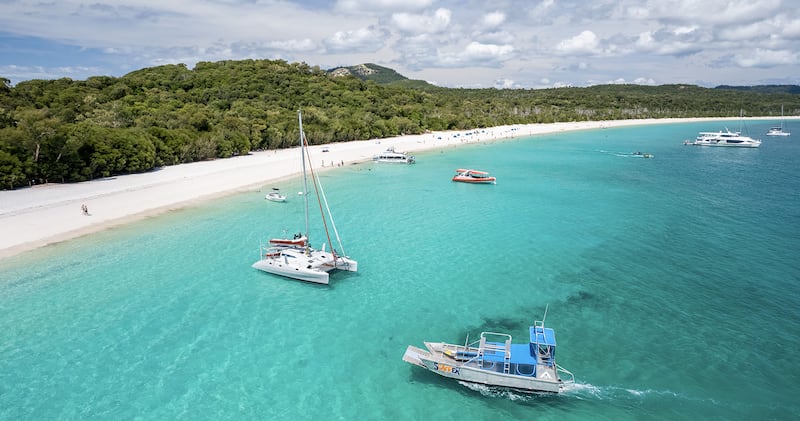
Like the country’s largest state Western Australia, mining (including for coal, lead, zinc, bauxite and copper) is Queensland’s largest industry. Tourism is also booming. Queensland is the second-largest tourism market in Australia, thanks in no small part to natural attractions such as the Great Barrier Reef, the Daintree Rainforest and the Whitsunday Islands.
Brisbane’s gateway status brings other advantages, says local jeweller McKinney, who recently opened a boutique in Beverly Hills and is set to open on New York’s Madison Ave in the coming months. “Increasingly there are more international clients, people flying into Brisbane and using it as a stopping-off point before they go to the Barrier Reef.” Further attractions include the city’s arts scene, its physical beauty, waterfront developments, “amazing lifestyle and some of [Australia’s] finest dining.”
Wealthy locals also play a major role in keeping the local luxury market buoyant. Brisbane is currently ranked among the top 50 cities in the world for millionaire population, according to high-net-worth individual residency firm Henley and Partners, with numbers growing 22 percent between 2014 to 2024. By 2025, the city boasted 26,400 US-dollar millionaires, slightly less than Berlin but more than Tel Aviv.
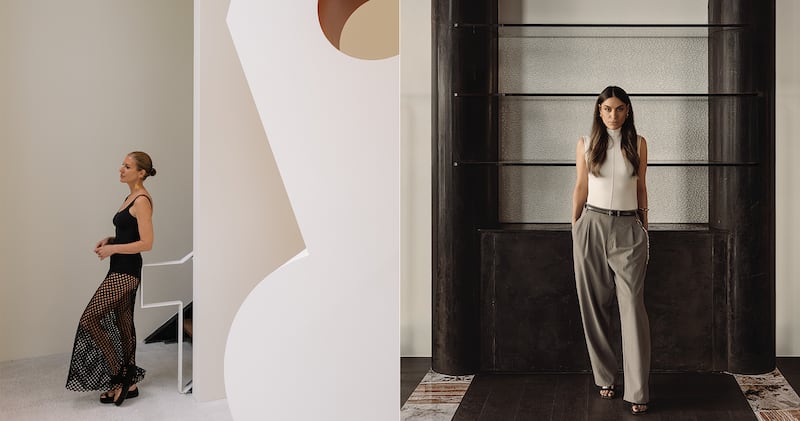
The city’s sub-tropical climate has a distinct impact on the merchandise mix, with retailers suggesting that lighter fabrications and pared-back silhouettes are more popular in Brisbane than in Sydney or Melbourne.
But where hot weather can sometimes lead to an overly casual wardrobe, Middleton says that Brisbane demonstrates quite the opposite, describing locals as discerning shoppers. “I always felt growing up that people almost enjoyed dressing up a bit more [here] because we were considered a little bit the country cousin of the [other Australian] cities. So, there was a bit more effort.”
McKinney, whose extravagant jewellery designs sit at the heady end of the luxury market, concurs. “Brisbane is definitely a very mature market. [Customers are] very sophisticated and well-travelled.”
In terms of style preferences, prints and brighter colours are popular and worn year-round, says Bridget Veals, executive general manager of womenswear, footwear and accessories at David Jones. The nationwide department store has Queensland branches in Brisbane’s CBD, Indooroopilly, Carindale and Chermside suburbs as well as two locations on the Gold Coast and one on the Sunshine Coast.
“Resort brands, swim, all of that can keep going in Queensland all year round [whereas] the longevity of those brands on the floor can be really difficult [in some other places],” states Veals.
The region’s almost endless summer means that merchandise can be trialled in Brisbane before the rest of the country, Veals explains, noting that the quality of life and sense of community bring other advantages. “People love living in Queensland so much that you don’t have staff turnover at the same rate,” she quips.
With its winning combination of economic growth, an attractive lifestyle offer and new developments being put in place ahead of the Olympics, the city is preparing to usher in a new era for locals and visitors alike. Global retailers, take note.
Chanel, Louis Vuitton and Tiffany & Co are among the brands expanding in Perth, Australia in a bid to tap its mining, oil and gas wealth and newfound status as a travel hub.
Accessible luxury and advanced contemporary brands in the US and Europe can expect greater competition from Australian labels expanding overseas like Camilla, Aje and Rebecca Vallance.
The fashion business has contributed to the fortunes of many of the nation’s wealthiest moguls, merchants and investors, including a few who are more famous for their mining and property portfolios.
Hubs like Nanjing and Changsha are drawing increased attention from brands such as Louis Vuitton and Burberry as middle-class consumers relocating from Beijing and Shanghai in search of higher quality of life take their appetite for luxury goods with them.
Even if Washington moves to extend the duty-free trade deal for 32 African countries, letting it lapse in September has put factory jobs at risk and forced manufacturers to absorb new costs, weakening US sourcing ties across the region from Kenya to Madagascar.
This week’s round-up of global markets fashion business news also features China’s plummeting footwear exports, Indonesian textiles and Chile’s department store giant.
This report, in partnership with Snap Inc. in MENA, explores how global and regional fashion and beauty brands can most authentically and effectively tap into the expansive, multicultural communities across the Gulf Cooperation Council.
Thom Browne, Abercrombie & Fitch and Tecovas are among the brands with Super Bowl activations. Meanwhile, the Winter Olympics kick off in Milan.
The embattled luxury department store is ‘absolutely dependent’ on companies like Chanel, LVMH and Kering, who could ‘suffocate’ the retailer if they stopped shipping, Reuters reported.
The polarising actress has become one of the most frequently tapped brand ambassadors in Hollywood. Whether she has the sway to build a lasting venture with her new lingerie line Syrn is still to be determined.
Fresh off a week of major moments, Tim Blanks and Imran Amed break down the blockbuster couture debuts at Dior and Chanel and what they signify about the state of the luxury industry.